
BlogNGOs
A cause that stayed with us
At ioZen we work with a foundation in Ecuador that aims to prevent chronic child malnutrition. Esteban shares why it stayed with us, and how a FlowApp can help an NGO reach the people who need it faster.

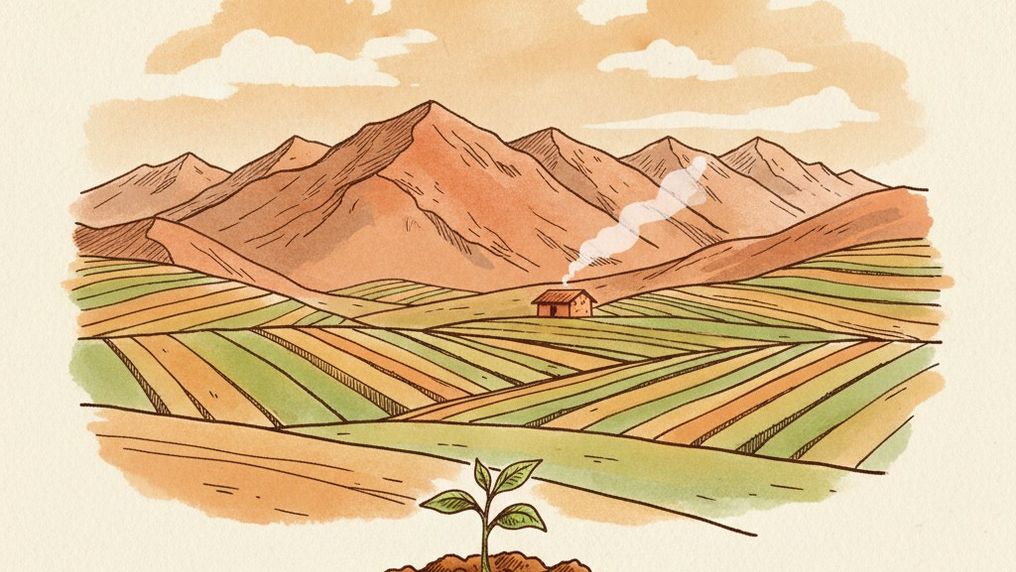
In Ecuador, one in five children under two has chronic malnutrition (INEC, ENDI 2022-2023).
I'm Esteban, ioZen's product owner. These past months we've been lucky to work with an Ecuadorian foundation devoted to preventing it, supporting families through their children's first years.
Why it stayed with us
Almost everything we do at ioZen is about helping a business take better care of its customers. This project reminded us that the same technology can also support teams working in the field, with few resources and a lot at stake. We're working with them on innovative tools that make their work faster.
Why ioZen works for NGOs
An NGO runs on two things that are rarely in surplus: time and people. Every paper form, every number someone retypes and every case lost between chats takes time away from what matters, which is reaching the people who need help.
That's where a FlowApp makes a difference. It doesn't just collect information: it takes it to the team member who has to act, and makes clear what's left to close each case.
How a FlowApp speeds up aid
- Registration that talks. An Intake Bot asks the questions the way someone on your team would, through a link, a QR code or WhatsApp. It can ask about each member of a household, save the location with permission, take spoken answers and, if someone stops halfway, pick up where they left off.
- Rules that apply themselves. The Intake Bot's calculations apply your program's criteria as each registration arrives, and AI scores each case so your team sees the urgent ones first.
- Every case has an owner. Each registration lands on a board with the phases of your process. You assign each case to a person, and whoever works in the field follows it from their phone in "My cases".
- Each person, only once. Someone who comes back doesn't have to repeat what they already told you: their story stays in one place.
- Connected to what you already use. Export your data whenever you need it, and with ioZen's API and webhooks the information reaches the systems your organization already has.
What about KoboToolbox?
Many NGOs start with KoboToolbox, and for good reason: it's free for humanitarian organizations, works offline and is built for field surveys.
Several organizations have come to us when they needed what comes after the survey:
- Letting people answer for themselves. Instead of a form your team fills in, an Intake Bot talks directly with the person who needs help, in their language and on the channel they already use, like WhatsApp.
- Turning every registration into action. In ioZen a registration doesn't end up in a table to analyze later: it lands on a board, has an owner and moves through phases until it's closed.
- Knowing what to handle first. Each case's score helps you prioritize when resources can't reach everyone at once.
It's not about replacing everything. If your team needs to collect data with no signal, Kobo is still a great tool. If what you need is for every registration to end in help delivered, that's where ioZen makes the difference.
What we learned
Working with the foundation taught us to listen more carefully: to understand each person's work before proposing anything. Several of this month's ioZen improvements came out of those conversations.
If your organization works for a cause like this and you think we can help, write to us at hello@iozen.ai.
Keep reading
All articles


Your turn
Swap a form for a conversation
Leave your website and we build your first FlowApp from it. You try it free.