

Type this into most AI form builders:
“I need an intake flow for a home renovation company.”
The builder thinks for a few seconds. Then it returns a finished form.
Name. Email. Phone. Address. Project type. Budget. Timeline. Upload photos. Anything else we should know?
It looks useful at first. Then the problems start showing up.
It asks for photos before checking whether the customer has any. It asks everyone for budget, even people who only want a maintenance visit. It treats “kitchen remodel” and “emergency water damage” as if they need the same conversation. It captures the fields, but it never explains the thinking behind them.
Now you are fixing the AI’s guesses.
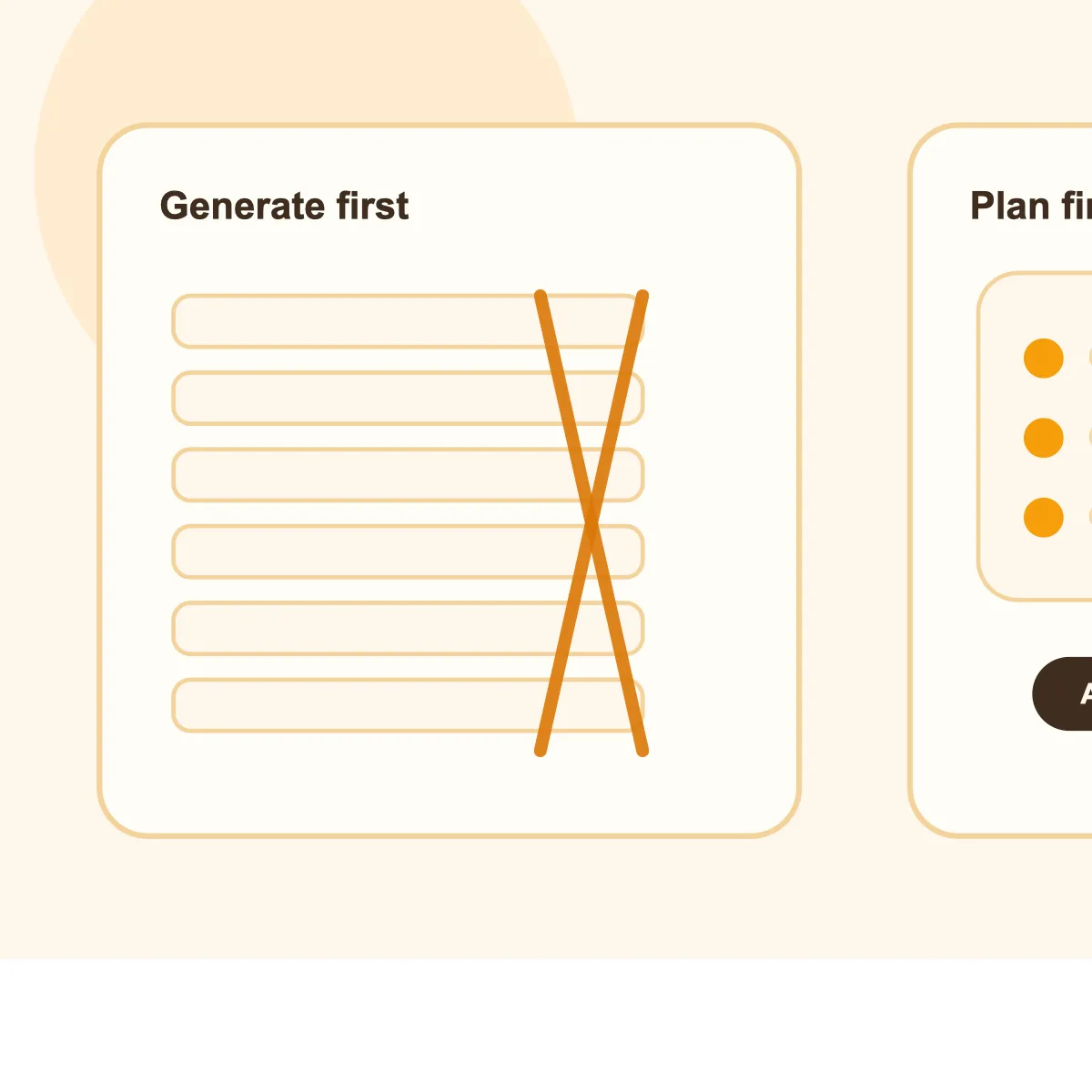
That is the strange bargain most AI builders make. They save you the first draft, then leave you to inspect a finished form you did not really design. If the flow is wrong, you only notice after the thing has already been built.
We think that order is backwards.
Plan before build
In the spring release, the Smart FlowApp Wizard changed how it creates new Intake Bots.
It no longer jumps straight from your idea to a finished Intake Bot.
First, it writes a short plan.
The plan explains the goal of the conversation, who it is speaking to, the main questions it will ask, when it should take a different path, and what makes a request worth quick follow-up.
Then it stops.
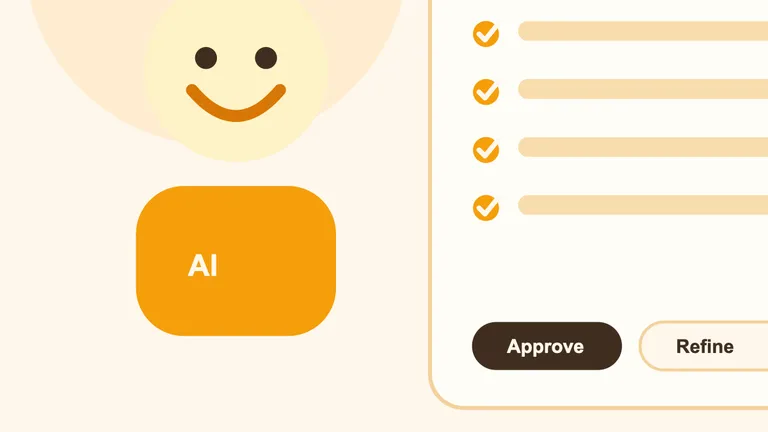
You can approve the plan and let ioZen build. Or you can tell the AI what to change in plain English.
“Ask about timeline before budget.”
“Do not request photos unless they say it is a renovation.”
“Make this warmer. The audience is homeowners, not procurement teams.”
“Separate emergency repairs from normal project quotes.”
The AI refines the plan. You check it again. Only then does ioZen build the Intake Bot.
That pause is small in the interface. It changes the whole experience.
Why the pause matters
The hardest part of building intake is not listing fields.
Anyone can list fields.
The hard part is deciding what the conversation should do when the person gives you context. A homeowner with photos should see a different path than someone who is only exploring prices. A restaurant owner asking for catering should not get the same follow-up as someone booking a table for two. A law firm should not ask for documents before understanding what kind of case it is.
The line from our changelog says it cleanly: “Like asking someone to upload a file before checking whether they have one.”
That kind of mistake is easy for AI to make when it builds too quickly. The output looks complete, but the conversation can still feel awkward. You do not see the wrong assumption until you test the bot, or worse, until a real person hits it.
A plan surfaces those assumptions early.
Before there are questions, there is intent. Before the bot asks something, someone should know why that question belongs there.
The plan makes that visible.
AI should be fast, not reckless
There is a reason most builders skip this step.
Instant generation feels impressive. You type a sentence, and a complete form appears. The demo is clean. The time-to-wow is short.
But intake is not a landing page headline or a moodboard. It is how real customers, leads, applicants, and clients enter your business. The answers help your team decide who to call, what to ask next, and where to send the request.
If the AI guesses wrong, the cost does not stay inside the builder. It leaks into the business.
Someone receives a vague request. Someone has to ask follow-up questions manually. Someone sends the lead to the wrong person because the bot skipped the detail that mattered. Someone wastes a call on a request that should have been filtered earlier.
Speed is useful only if the final bot works in the real world.
That is why ioZen now makes the AI show its work.
The wizard is still fast. You can still go from idea to Intake Bot in minutes. The difference is that the AI pauses at the moment where human judgment matters most: before the bot is built.
The care behind it
The planning step is not the only change.
ioZen now takes more care with every generated Intake Bot. One part focuses on writing a conversation that feels natural. Another checks whether each question can understand the answer, ask a useful follow-up, and move the person forward without friction. A single voice keeps the tone consistent from welcome to farewell.
That extra care is intentional.
Writing a good intake conversation and collecting clean answers are different jobs. A warm welcome does not guarantee the bot will understand “five five five one two one two” as a phone number. A clever question does not guarantee it will understand “next Friday at 3pm” as a real appointment time.
So ioZen treats those jobs separately.
The conversation should feel human. The answers should still be reliable. The plan gives you a chance to inspect the idea before ioZen turns it into the final bot.
That is also why this release pairs so well with voice on every field. A respondent can now speak naturally, but the bot still needs to know what to ask, when to take a different path, and how to turn the answer into something useful for your team.
Voice makes the respondent side feel effortless. The plan makes the builder side feel sane.
What this changes
Building an Intake Bot used to feel like a jump.
You described the process, waited for generation, then inspected the finished bot. If something was off, you edited fields, adjusted wording, and tested branches until the shape matched what you meant.
Now there is a checkpoint before the jump.
You can see whether the AI understood your audience. You can catch the missing path. You can remove a question that feels too early. You can make sure the bot knows what kind of request deserves fast attention.
The result is not just a better generated bot. It is a calmer way to build.
This matters even more because drafts and archived bots no longer count toward your published-bot limit. You can explore, refine, archive, and rebuild without treating every experiment like it costs you production capacity.
That is how AI should feel in intake.
Not a black box that hands you a finished form.
A collaborator that explains the plan, waits for your judgment, and then builds.
You can try the updated wizard in ioZen. For the deeper product philosophy behind this, read why pure AI chatbots fail for business intake and the founder story on building ioZen with AI.
Tags:

Written by
Jay Moreno
Founder & CEO, ioZen
Technical founder with 20+ years building platforms across Latin America. Founded PATIOTuerca (first Ecuadorian startup to IPO), Vive1, Evaluar.com, and Taxo. Now building ioZen to liberate humanity from bureaucracy.